by Sebastien Goulard
On 18 November, Italian Foreign Minister Antonio Tajani and Indian Minister of Commerce and Industry Piyush Goyal co-chaired the 23rd session of the India-Italy Joint Commission for Economic Cooperation. The two countries committed to expanding bilateral trade, notably by simplifying bureaucratic procedures to make it easier for Indian and Italian SMEs to do business with one another. Rome’s objective is to increase its exports to India while also attracting new Indian investors.
The development of the IMEC was also discussed at the meeting. Both ministers reaffirmed the importance of freedom of navigation, which is an essential prerequisite for the development of the IMEC.
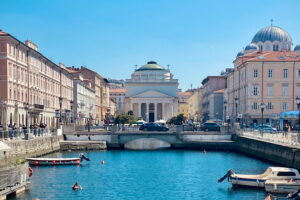
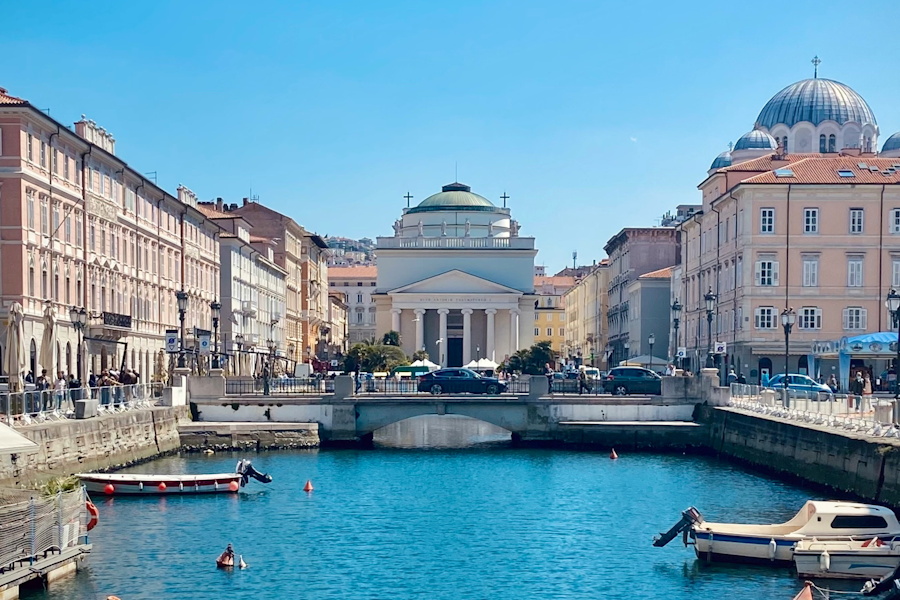
Italy is seeking to position the port of Trieste as one of the IMEC’s terminals serving Western and Central Europe, while Marseille would serve as the terminal for Western Europe alone. However, other Italian ports, such as Ravenna, Gioia Tauro and Genoa, are also keen to become part of the network. Trieste is currently one of the best-positioned ports for connecting India with Central Europe, including the German and Polish markets.
It will nevertheless be important to avoid reigniting competition between European ports. While France and Italy appear to agree on the need for greater coordination between the ports of Marseille and Trieste, cooperation is also required among the Adriatic ports of Trieste, Koper (Slovenia) and Rijeka (Croatia). Similar competition between these ports proved detrimental to their integration into the Belt and Road Initiative a few years ago. The IMEC Ports Club, launched by the Port of Marseille-Fos, represents a first step towards achieving this coordination.