by Sebastien Goulard
Although the IMEC has yet to be implemented, questions are already being raised about its long-term viability. Hamas’s attacks against Israel, followed by Israel’s military response, have profoundly reshaped the political landscape in the Middle East. While countries such as Syria and Lebanon are pursuing efforts to develop new infrastructure in order to strengthen regional connectivity, the crisis surrounding the Strait of Hormuz has significantly slowed regional stabilisation efforts and disrupted existing alliances. In the wake of this crisis, the United Arab Emirates has moved closer to Israel. By contrast, Saudi Arabia, a key stakeholder in the proposed IMEC, appears to favour alternative corridor options until a resolution is reached regarding the question of a possible Palestinian state.
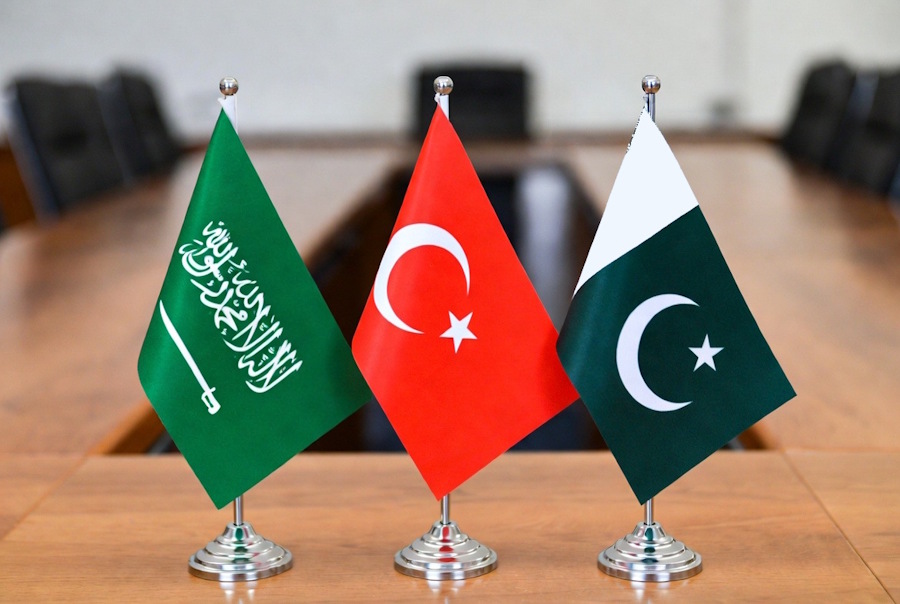
Furthermore, on 7 August 2026, Saudi Arabia, Pakistan, and Türkiye signed a defence agreement. Could this new partnership also extend to the field of infrastructure development? If so, what role would India play within such a framework? Military cooperation between Riyadh and Islamabad is not new and has never prevented Saudi Arabia from maintaining very strong relations with India.
More than ever, the states of the Middle East need to restore stability. By promoting multiple transport and connectivity corridors, the IMEC could help foster new dynamics of regional integration.